

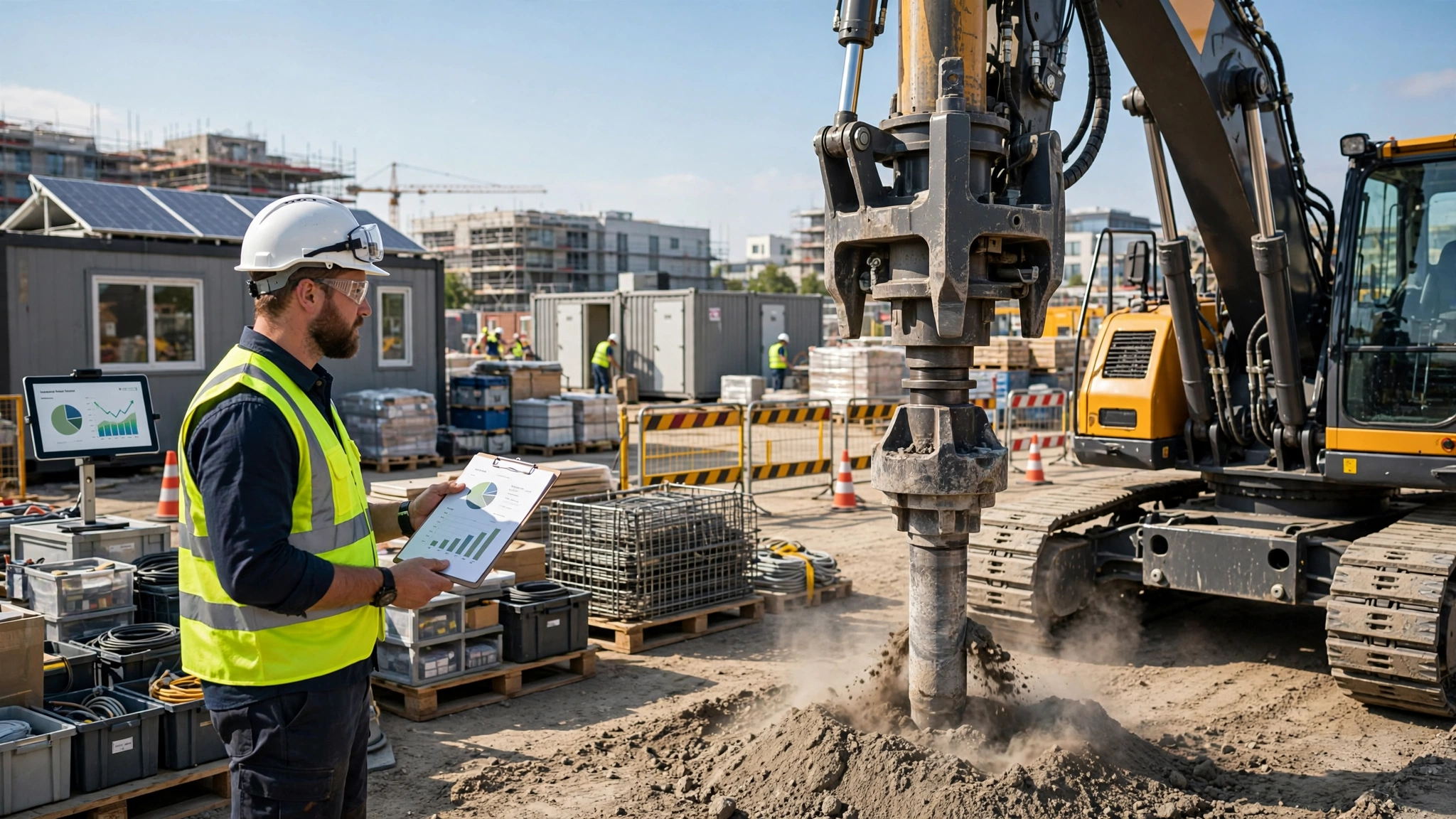
Pile Driver Rental: 5 Smart Tips to Save Money on Your Next Project

Table of Contents
Pile Driver Rental: 5 Smart Tips to Save Money on Your Next Project
Renting a pile driver seems simple enough. Call a rental company. Pick a machine. Get it delivered. Start working. But anyone who has actually done this knows the truth. It’s never that straightforward.
Hidden fees. Wrong equipment. Delivery delays. Damage charges. Fuel surcharges. The list goes on. What looked like a cost-effective solution turns into a budget nightmare.
Rental costs pile up fast. Daily rates. Weekly rates. Monthly rates. Transportation costs. Insurance. Maintenance. Overtime penalties. One wrong decision can double the project budget overnight. In operations that require heavy equipment like a Typhon Terror XIX Prestige Cabin Mini Excavator (External Link 1), unexpected costs destroy profit margins.
The difference between a cost-effective Pile Driver Rental and an expensive outcome comes down to five smart strategies. These tips come from real experience on real projects. They work.
Pile Driver Rental doesn’t have to be complicated. It doesn’t have to be expensive either. With the right approach, significant savings are possible without sacrificing quality or safety. Here are 5 smart tips that actually save money on pile driver rental.
1. Choose the Right Machine for the Job
This sounds obvious. Yet it’s the single biggest problem on construction sites. Contractors rent the wrong pile driver for their specific job and pay dearly for it.
Too small and the machine struggles. Productivity drops. Operating hours stretch out. Rental costs balloon. Too large and the machine sits idle half the time while the crew handles logistics. Wasted capacity means wasted money.
The right Pile Driver Rental starts with understanding exactly what the project requires.
Soil conditions matter enormously. Sandy soil handles differently than clay. Rocky ground needs more impact force. Soft ground may require a completely different hammer type. Without proper soil analysis, getting the right machine is pure guesswork.
Pile type is another critical factor. Steel H-piles need different driving force than concrete precast piles. Timber piles are lighter and require less energy. The wrong hammer type damages piles, slows progress, and costs extra in Pile Driver Rental fees due to extended timelines.
Depth requirements dictate the machine’s specifications. Shallow piles need less power. Deep piles require heavy-duty equipment with higher energy output. Renting a machine that can’t reach target depth means stopping work, returning the machine, and getting a new one. That scenario costs money and time.
Consider crane capacity as well. A Pile Driver Rental includes the hammer, but the crane that supports it may be separate. Matching crane capacity to hammer weight prevents tipping accidents and keeps the job moving. Safety is paramount—just like understanding Pile Driver Safety protocols (Internal Link 1).
The smart approach: get a geotechnical report before calling any pile driver rental company. Know the soil, the pile type, the depth, and the surrounding site conditions. Then match the machine specifications to those requirements exactly.
This prevents over-specifying and under-specifying. Over-specifying wastes rental dollars on unused capability. Under-specifying wastes money on slow progress or machine swaps. Right-sizing the Pile Driver Rental saves up to 30% of total project cost.
2. Compare Quotes from Multiple Rental Companies
Rental rates vary wildly between companies. The first quote is rarely the best quote. Yet many contractors take the first offer they receive.
A Pile Driver Rental quote includes more than the daily rate. Transportation costs, fuel surcharges, insurance fees, maintenance charges, and security deposits all factor into the final bill. One company may charge a low daily rate but hit hard on delivery fees. Another may have higher rates but include transportation at no extra cost.
Comparing quotes side by side reveals the true cost picture. And this is exactly what smart project managers do.
Get at least three quotes for every Pile Driver Rental. Ask for a complete breakdown of all charges. Daily rate. Weekly rate (often cheaper per day). Monthly rate (even cheaper). Transportation to and from the site. Insurance. Damage waiver. Fuel. Operator costs if included. All of it.
The cheapest daily rate may not be the cheapest overall rental. A higher daily rate with free delivery and lower insurance may actually work out cheaper for a long project.
Beyond the quote, ask about availability. The cheapest Pile Driver Rental does nothing if the machine isn’t available when needed. Delays waiting for the right machine cost the project money.
Check each company’s reputation. Read reviews. Ask other contractors about their experiences. A company with a low rate but unreliable equipment or poor service costs more in the long run through downtime and repairs.
Rental agreements should be reviewed carefully. Some companies charge overtime penalties for every hour beyond the agreed return time. Others allow flexibility. Know the terms before signing.
Smart negotiators use competitive quotes as leverage. Tell Company B that Company A offered better terms. Sometimes Company B matches or beats the offer to secure the business. This tactic works consistently with Pile Driver Rental companies. Saving 10 to 15 percent on rental rates through comparison shopping is realistic.
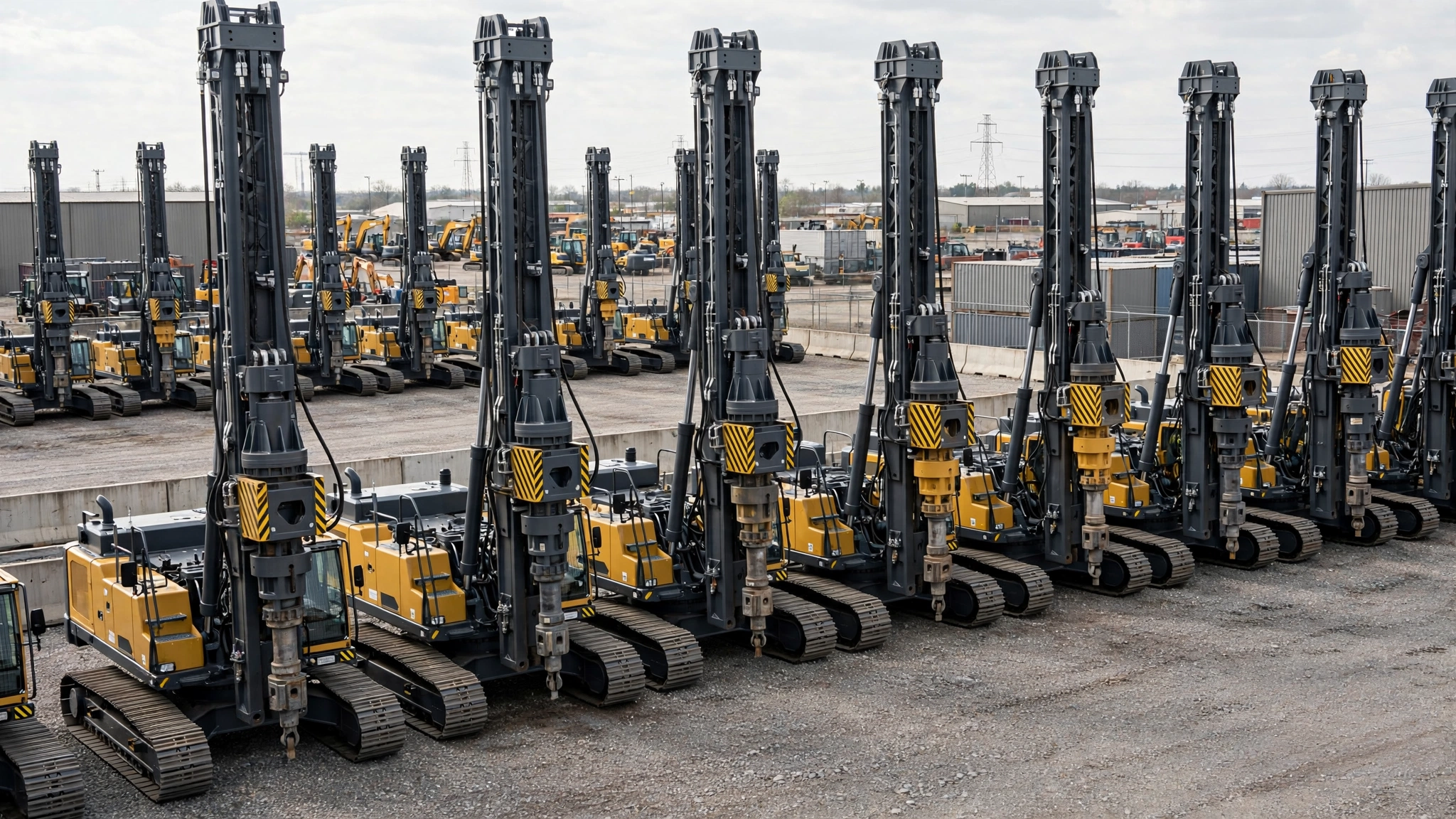
3. Optimize Rental Duration and Timing
Time is money. Nowhere is this truer than with Pile Driver Rental. Every extra day costs significant money. Extending a rental by a week adds thousands to the project budget.
The smart play is to plan the work schedule perfectly around the rental period. No idle days. No waiting for other trades. No delays while materials get delivered. The machine works from the moment it arrives until the moment it leaves.
Coordinate all site preparation before the Pile Driver Rental arrives. The area should be cleared. Piles should be on site. The crew should be ready. The crane should be positioned. Nothing stops the work once that machine shows up.
Rental durations should account for potential delays. Weather. Equipment issues. Site access problems. Build in a buffer, but keep it reasonable. Renting a machine for two weeks to cover three days of actual work is wasteful.
Consider weekend and holiday timing. Some Pile Driver Rental companies charge full rates for days the machine isn’t used. Avoid renting over long weekends if the crew will be off. Start the rental on a Tuesday or Wednesday if the weekend would cause wasted days.
Flexible rental terms are worth negotiating. Some companies offer “rent-to-own” options or prorated extensions. Others allow early returns with partial refunds. Ask about these options before signing.
Project phasing affects Pile Driver Rental costs too. If the project has multiple pile driving phases separated by weeks of other work, consider separate rentals for each phase. Paying for a machine to sit idle between phases is expensive. Return it and rent again later.
Another timing trick: book the Pile Driver Rental during off-peak seasons if possible. Winter months or rainy seasons see lower demand. Rental companies often discount rates to keep machines working during slow periods. Efficient scheduling cuts duration by 20 to 30 percent.
4. Inspect and Protect the Equipment
Damage charges are a hidden cost of Pile Driver Rental. Contractors return machines with minor damage and get hit with massive repair bills. Sometimes the charges exceed the rental cost itself.
A thorough inspection at pickup prevents this problem. Every scratch, dent, leak, and worn part should be documented. Take photos. Video the entire machine. Note everything on the rental agreement before signing. This creates evidence if the rental company claims damage later.
Better yet, do the inspection with the rental company representative present. Both parties see the condition. Both sign off. No disputes later about pre-existing damage.
During the rental period, protect the Pile Driver Rental from avoidable damage. Keep the machine clean. Grease fittings regularly. Check hydraulic fluid levels. Operate within manufacturer specifications. Just like when following pile driver safety guidelines (Internal Link 2), maintenance matters.
Operator training matters enormously. Experienced operators know how to handle the Pile Driver Rental properly. They avoid over-stressing the machine, which prevents mechanical failures. If the crew lacks experience, request a trained operator from the rental company.
Return the machine in clean condition. Wash off mud and debris before handing it back. Some rental companies charge cleaning fees. Avoid that cost with a simple washdown.
Consider damage waiver insurance. It costs extra but covers accidental damage during the Pile Driver Rental period. Without it, the full repair bill falls on the contractor. One broken hydraulic hose can cost $500 to $1,000.
5. Negotiate the Contract Terms
Rental contracts are not set in stone. Every term is negotiable. Yet most contractors accept the standard agreement without question. That costs money.
Delivery and pickup schedules can be adjusted. Some Pile Driver Rental companies charge extra for weekend or after-hours delivery. Ask for free delivery during business hours. Request pickup at the end of the project rather than at a fixed date.
Payment terms vary. Some companies require full payment upfront. Others offer flexible payment plans. For large Pile Driver Rental projects, negotiate extended payment terms. 30 to 60 days to pay gives the contractor time to get paid by the client before the rental bill comes due.
Discounts are available for long-term rentals. A weekly rate is usually cheaper than five daily rates. A monthly rate is cheaper than four weekly rates. Ask about these discounts.
Late return penalties can be waived or reduced. Ask for a grace period. One or two hours free. Or request that penalties only apply to full additional days. These small concessions prevent unexpected charges.
Fuel policy is another negotiation point. Some companies return the machine empty and charge for fuel used. Others require refilling before return. Clarify this upfront.
Insurance requirements can be adjusted. Some Pile Driver Rental companies require expensive coverage. If the contractor already has general liability insurance, it may cover rental equipment. Ask the rental company to accept existing coverage.
Cancellation policies are important too. Projects get delayed. Contracts change. Asking for free cancellation protects the budget. Successful negotiation reduces Pile Driver Rental costs by 10 to 15 percent.
Why Rental Makes Sense for Most Projects
Buying a pile driver is expensive. New machines cost hundreds of thousands of dollars. Maintenance, storage, insurance, and depreciation add to the burden. For most contractors, owning a pile driver doesn’t make financial sense. Similar calculations apply whether considering heavy pile driving units or a compact Typhon Terror XIX Prestige Cabin Mini Excavator (External Link 2).
Pile Driver Rental offers flexibility. Rent only when needed. Rent the right machine for each job. Upgrade to newer equipment without capital investment. Scale up or down as project demands change.
Rental also provides access to expert support. Rental companies maintain their machines. They provide training. They offer technical advice. That support reduces project risk. For short-term projects or specialized work, Pile Driver Rental is clearly the better option.
8 Common Traps to Avoid
- 1. Renting without knowing the exact specifications. Wrong machine leads to wasted time and money.
- 2. Ignoring transportation costs. Delivery fees sometimes exceed the rental cost itself.
- 3. Not reading the fine print. Hidden fees in the contract add up.
- 4. Returning equipment late. Penalties for late returns are often steep.
- 5. Failing to inspect the machine. Damage charges for pre-existing issues are common.
- 6. Overestimating rental duration. Renting too long wastes money on idle days.
- 7. Underestimating site preparation. Delays on site extend rental duration.
- 8. Not negotiating the contract. Standard terms rarely benefit the renter.
Sample Cost Comparison
Consider two scenarios for a 30-day Pile Driver Rental project.
Scenario A (No planning):
- Daily rate: $800
- Transportation: $2,000
- Insurance: $1,500
- Damage charges: $3,000
- Overtime penalties: $2,000
- Total: $33,500
Scenario B (Smart approach):
- Monthly rate (discounted): $18,000
- Transportation (negotiated free): $0
- Insurance (existing policy): $0
- Damage charges (none): $0
- Overtime penalties (grace period): $0
- Total: $18,000
The difference is $15,500. That’s real money. Smart planning saves it.
Final Word
Pile Driver Rental can be a cost-effective solution or a budget disaster. The difference comes down to the approach.
Choose the right machine for the job. Compare multiple quotes. Optimize rental duration. Inspect and protect the equipment. Negotiate the contract.
These five tips are simple. They take time upfront. But they save thousands on every rental. Every project is different. Every Pile Driver Rental has unique challenges. But these strategies apply universally. They work in every situation.
The next time a Pile Driver Rental is needed, use these tips. Watch the savings add up. Money saved on rental costs is money that stays in the project budget. That’s the goal. That’s the smart way to rent.
Rent smart. Work fast. Save money.