

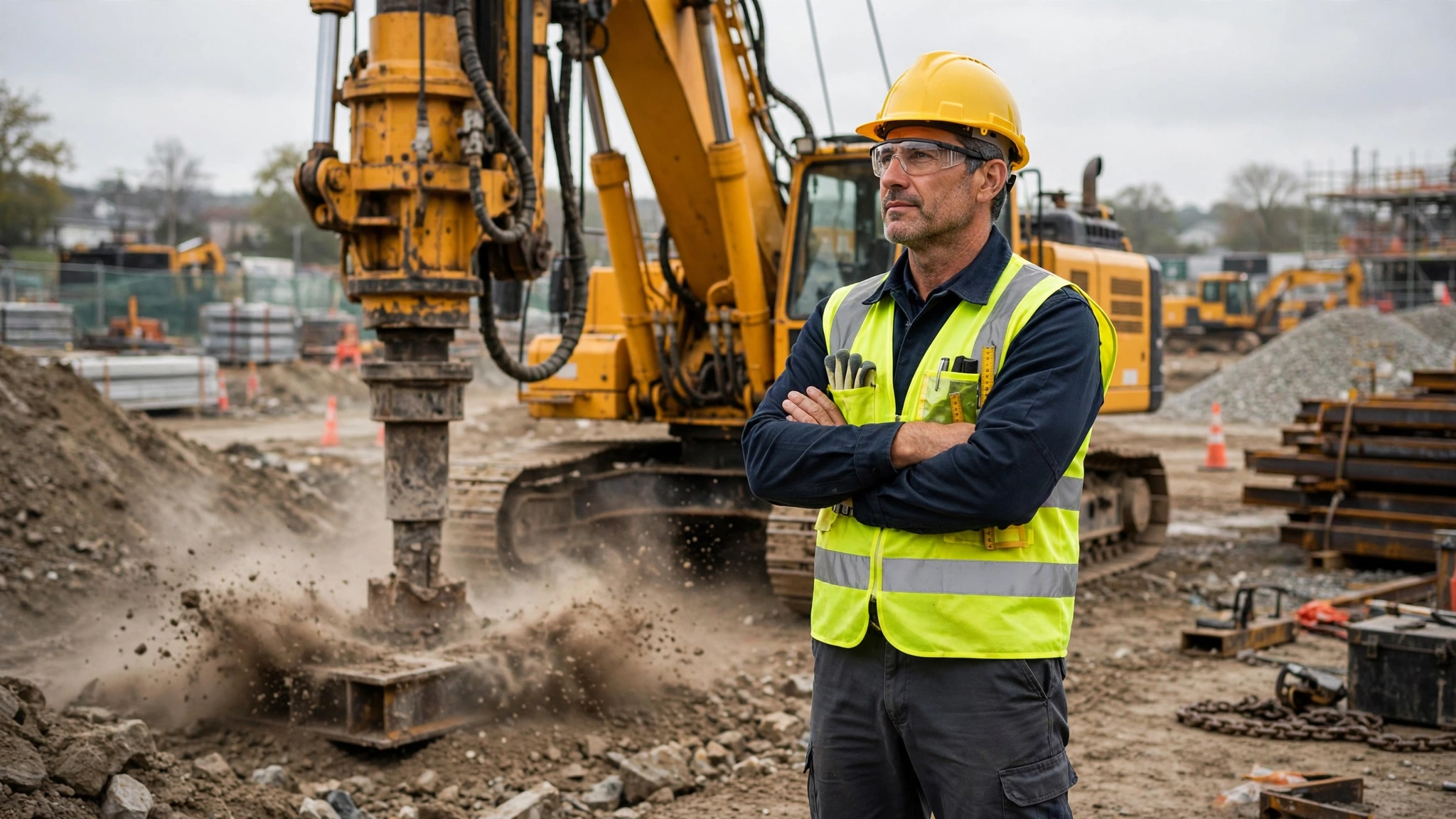
Pile Driver Operator: 10 Proven Skills That Make You a Master Professional

Table of Contents
- Introduction
- 1. Understanding Soil and Ground Conditions
- 2. Mastering Machine Controls with Precision
- 3. Proper Pile Alignment and Positioning
- 4. Managing Hammer Energy and Impact Force
- 5. Reading Pile Penetration and Resistance
- 6. Accurate Communication with Ground Crew
- 7. Performing Daily Equipment Inspections
- 8. Staying Calm Under Pressure
- 9. Adapting to Changing Site Conditions
- 10. Continuous Learning and Self-Improvement
- 10 Essential Traits of a Master Professional
- Training Pathways for New Operators
- The Value of a Master Operator
- Final Word
Operating a Pile Driver: The Path to Mastery
Operating a pile driver is not for everyone. It takes patience. It takes focus. It takes years of practice to become truly skilled. Many people try. Few become masters.
A pile driver operator sits at the controls of a machine that weighs tens of thousands of pounds. That machine drives massive steel and concrete piles deep into the ground. Buildings, bridges, and ports depend on that work. The operator’s skill determines whether a foundation lasts for decades or fails within years.
Becoming a master pile driver operator requires more than just knowing which levers to pull. It requires understanding the machine, the ground, the materials, and the environment. It requires judgment that comes only from experience. It requires discipline and attention to detail.
The difference between an average operator and a master professional comes down to specific skills. Some are technical. Some are mental. Some are physical. All are essential.
Here are 10 proven skills that separate master pile driver operators from the rest. These skills are developed through training and practice. They are demonstrated on every job, every shift, every day.
A pile driver operator who masters these skills delivers better results. They finish projects faster. They cause fewer accidents. They save their companies money. They earn the respect of everyone on site.
1. Understanding Soil and Ground Conditions
The ground beneath the pile driver is never the same. Every site has different soil. Sand behaves differently than clay. Rock requires different techniques than gravel. Master operators know this from the moment they arrive.
Reading soil conditions is a critical skill. A pile driver operator who understands soil knows how fast the pile will penetrate. They know when resistance is normal and when it signals a problem. They adjust their technique based on what the ground tells them.
Soft soil requires different hammer settings than hard soil. High impact force in soft ground drives the pile too deep too quickly. Low impact force in hard ground wastes time and energy. The master operator makes adjustments automatically.
Soil tests provide valuable information. But tests don’t tell the whole story. Underground conditions vary. A pile driver operator with experience feels the difference through the machine. Vibrations change. Sounds change. Penetration rates change. The operator notices and responds.
Pre-drilling may be needed in some conditions. Pile lubrication may be needed in others. The decision to use these techniques comes from understanding the ground. Master operators rarely guess. They know.
2. Mastering Machine Controls with Precision
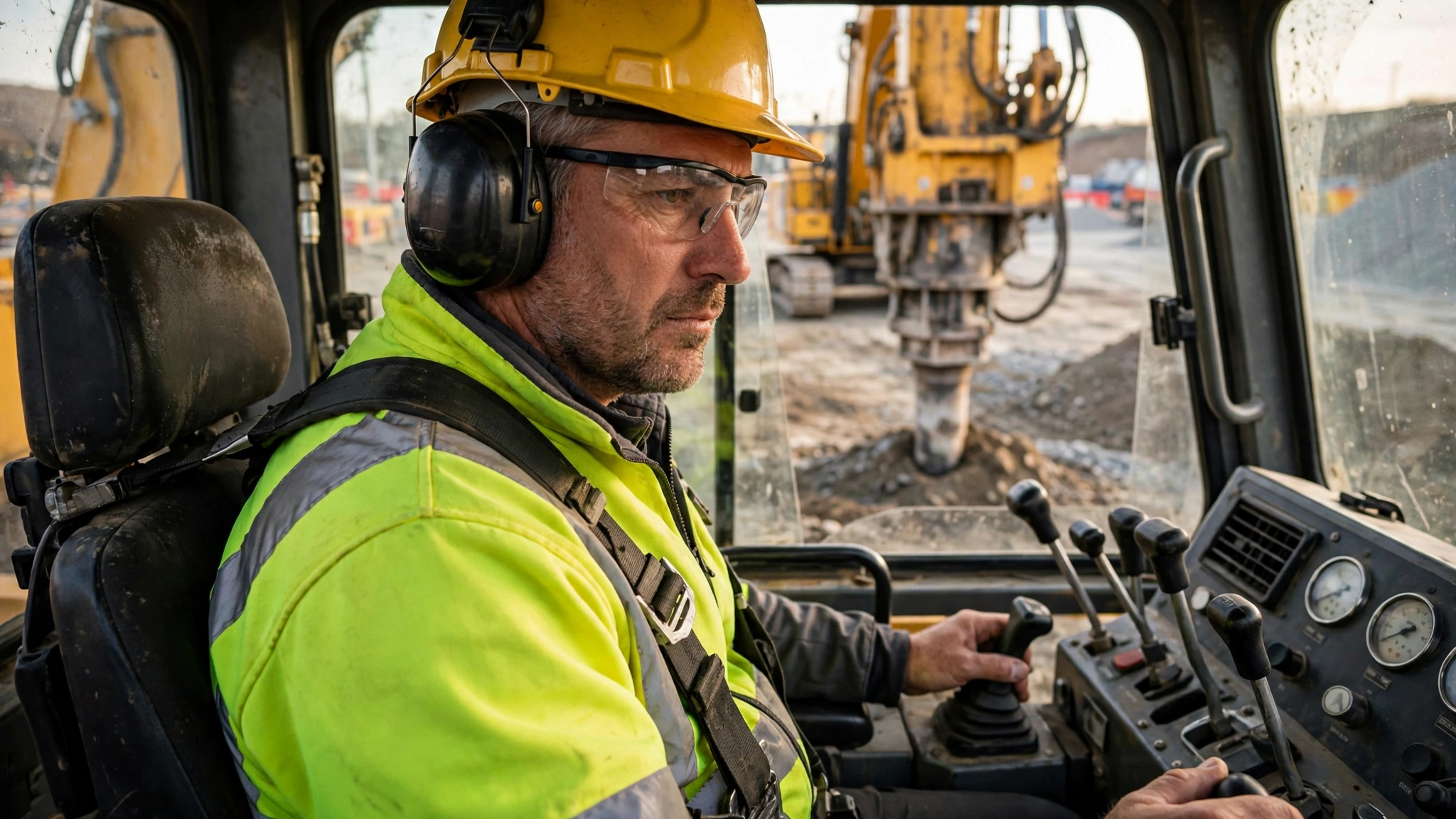
A pile driver has many controls. Levers for the hammer. Levers for the leader. Controls for the crane. Switches for the hydraulics. Each control affects the others. Operating smoothly requires precision.
Master operators do not jerk controls. They do not slam levers. They move them smoothly and deliberately. The machine responds smoothly. The pile goes in straight. The work is clean.
Precision control reduces machine wear. Jerky movements stress components. Smooth movements extend machine life. A pile driver operator who moves the machine gently saves the company money on repairs.
Precision control also improves safety. Sudden movements cause accidents. Smooth movements keep everyone safe. The master operator controls the machine, not the other way around.
New operators often struggle with coordination. They move one control and forget another. The machine jerks. The pile goes crooked. With practice, coordination becomes automatic. The master operator’s hands move without thinking. Every control works in harmony.
3. Proper Pile Alignment and Positioning
A pile that goes in crooked is a disaster. It cannot be fixed. The pile stays crooked forever. The foundation is compromised. The pile must be removed and replaced. That costs time and money.
A master pile driver operator aligns every pile perfectly before driving begins. The leader is positioned precisely. The pile is set at exactly the right angle. The hammer is centered on the pile head. Everything is perfect before the first strike.
Alignment takes patience. The operator adjusts the leader slightly. Checks the angle. Adjusts again. Checks again. Rushing this process produces crooked piles. Master operators never rush.
Visual alignment is the starting point. The operator uses line-of-sight to position the pile. Then they use the machine’s indicators. Then they check again. The process takes time but saves far more time later.
During driving, the pile can shift. A master pile driver operator watches for this. They make small adjustments to keep the pile straight. They don’t wait until the pile is too deep to correct. They correct it immediately.
4. Managing Hammer Energy and Impact Force
Not every pile requires the same impact force. Some piles need heavy blows. Others need lighter, more frequent blows. The master operator knows how to adjust hammer energy for each situation.
Too much force damages the pile. Concrete piles crack. Steel piles deform. The pile becomes unusable. Too little force wastes time. The pile doesn’t advance. The operator spends hours with no progress.
A master pile driver operator finds the balance. They start with moderate energy. They watch the pile advance. They adjust up or down based on the pile’s response. Every pile gets exactly the force it needs.
Hammer energy also affects the surrounding ground. Excessive vibration damages nearby structures. It disturbs soil conditions. It creates safety hazards. The master operator minimizes vibration while maintaining productivity.
Modern pile drivers have energy monitoring systems. The operator reads the data and adjusts accordingly. But data only helps if the operator understands what it means. Experience teaches that understanding.
5. Reading Pile Penetration and Resistance
The pile tells the operator everything. How fast it advances. How much resistance it meets. Whether it is hitting an obstruction. The master pile driver operator reads these signals constantly.
Penetration rate is the most basic signal. If the pile slows down, resistance is increasing. If it speeds up, the ground is softer. Consistent speed means consistent conditions. The operator uses this information to decide when to stop.
Sudden changes in penetration signal problems. The pile may have hit a rock. The pile may be tilting. The hammer may be malfunctioning. A master operator stops immediately when something changes unexpectedly.
Blow count is another important reading. High blow counts with no penetration mean the pile is refusing. Low blow counts with rapid penetration mean the pile is running. Both situations require adjustment.
Resistance data from the pile driver’s sensors helps the operator. But sensors can be wrong. The master pile driver operator uses their senses too. They feel the machine. They hear the hammer. They see the pile advance. All these signals confirm what the sensors show.
6. Accurate Communication with Ground Crew
Pile driving is a team effort. The operator sits in the cab. The ground crew handles the piles. The crane operator lifts the piles. Communication must be clear and constant.
A master pile driver operator communicates effectively with everyone on site. Hand signals are clear. Radio instructions are concise. Everyone knows what to do next. There is no confusion.
Ground crew members need to know when the hammer is about to strike. They need to know when the machine is about to swing. They need to know when the operator is ready for the next pile. The master operator gives them all this information.
The operator also receives information from the ground crew. They tell the operator about pile position. They warn about obstructions. They provide feedback on pile alignment. A master pile driver operator listens to all this feedback and responds.
Poor communication causes accidents. The machine swings while someone is underneath. The hammer strikes before the pile is set. The pile goes crooked because nobody guided it. Master operators never let communication break down.
7. Performing Daily Equipment Inspections
A pile driver is a complex machine. Hoses, fittings, engines, hydraulics, controls. Any component can fail. Daily inspections catch failures before they cause accidents.
A master pile driver operator does not skip inspections. Every morning, they walk around the machine. They look at every hose. They feel for leaks. They check fluid levels. They test controls. They listen for unusual noises.
Inspections take time. Maybe 30 minutes. Maybe an hour. But they save far more time than they take. A detected problem can be fixed in an hour. An undetected problem causes a breakdown that takes days to repair.
Routine maintenance is part of the inspection. Greasing fittings. Changing filters. Topping up fluids. The master operator does these tasks themselves. They don’t rely on someone else to do it.
A pile driver operator who inspects the machine daily prevents many accidents. Worn hoses get replaced before they burst. Low fluids get topped up before the pump fails. Loose bolts get tightened before they fall off. Daily inspections save lives.
8. Staying Calm Under Pressure
Pile driving sites are stressful. Deadlines are tight. Conditions are tough. Equipment fails. People make mistakes. The operator must stay calm through all of it.
A master pile driver operator does not panic. When something goes wrong, they think clearly. They diagnose the problem. They take corrective action. They don’t freeze or make things worse by acting too quickly.
Stress affects judgment. Panicked operators make bad decisions. They force piles that should be stopped. They continue operating when they should shut down. They overlook safety procedures.
Staying calm is a learned skill. Master operators have been through difficult situations before. They know that most problems have solutions. They stay focused on solving the problem rather than worrying about it.
Breathing helps. Taking a moment to assess the situation helps. Talking through the problem helps. Master operators use these techniques to maintain composure.
9. Adapting to Changing Site Conditions
Construction sites change constantly. Weather changes. Ground changes. Materials change. Equipment changes. The operator must adapt to all of it.
Rain makes ground slippery. Wind affects precision. Heat affects machine performance. Cold affects hydraulic fluids. A master pile driver operator adjusts for these changes.
Pile specifications change from one project to the next. Steel piles one week. Concrete piles the next. Timber piles the week after. Each type requires a different technique. The operator adapts quickly.
Equipment changes happen too. Different machines have different controls. Older machines lack features of newer ones. The operator figures out each machine’s quirks and works accordingly.
Rigid operators struggle when conditions change. They try to do things the same way every time. Master operators know that every day is different. They adjust their approach accordingly.
10. Continuous Learning and Self-Improvement
No operator knows everything. Technology changes. Techniques improve. Regulations update. Master operators never stop learning.
A master pile driver operator attends training courses. They read industry publications. They talk to other operators. They learn from their own mistakes. Every day is an opportunity to improve.
Mistakes happen. Even master operators make them. The difference is that they learn from them. They analyze what went wrong. They change their approach. They don’t make the same mistake twice.
New technology requires new skills. Modern pile drivers have computers, sensors, and automated systems. Operators who refuse to learn these systems get left behind. Master operators embrace new technology and master it quickly.
The best pile driver operator is always learning. They ask questions. They seek feedback. They push themselves to get better. That’s what makes them masters.
10 Essential Traits of a Master Professional
- 1. Patience during alignment and positioning.
- 2. Attention to detail in every task.
- 3. Discipline to follow procedures.
- 4. Communication with ground crew.
- 5. Observation of machine and pile behavior.
- 6. Mechanical understanding of the equipment.
- 7. Calmness under stress and pressure.
- 8. Adaptability to changing conditions.
- 9. Professionalism in all interactions.
- 10. Commitment to safety above all else.
Training Pathways for New Operators
Becoming a master pile driver operator takes time. New operators cannot expect to be experts overnight. The path to mastery is structured.
Apprenticeships: New operators start as helpers. They work under experienced operators. They learn basic tasks first. They assist with pile positioning. They handle the ground crew duties. They observe the operator’s every action.
Classroom training: Formal training covers theory. Soil mechanics. Machine operations. Safety regulations. Operators attend classes and earn certifications.
On-the-job practice: Real experience is essential. New operators start on simple projects. They drive piles in easy conditions. They gradually take on more complex work. Each project builds their skills.
Mentorship: Master operators guide new operators. They share techniques. They explain their decisions. They correct mistakes. They provide feedback. This personal guidance is invaluable.
Continuing education: Even experienced operators take courses. New equipment requires new training. New regulations require new knowledge. The learning never stops.
The Value of a Master Operator
Companies value master pile driver operators highly. They command higher pay. They get the best assignments. They are respected by everyone on site.
The financial value is clear. A master pile driver operator drives piles faster. They cause fewer accidents. They damage less equipment. They complete projects on schedule. The company saves money and makes more profit.
The safety value is even more important. Master operators prevent accidents. They protect their own lives and the lives of others. They make the workplace safer for everyone.
The professional value is personal. Master operators take pride in their work. They know they are the best at what they do. They earn the respect of their peers and supervisors. They build careers that last decades.
Final Word
Becoming a master pile driver operator is not easy. It takes years of practice. It takes dedication to learning. It takes discipline in every task.
But the rewards are worth it. Master operators work on the most important projects. They earn good money. They have stable careers. They know they are making a difference.
The 10 skills outlined here are the foundation of mastery. Understanding soil and ground conditions. Mastering machine controls. Proper pile alignment. Managing hammer energy. Reading pile penetration. Accurate communication. Daily inspections. Staying calm under pressure. Adapting to changing conditions. Continuous learning.
These skills are within reach of any operator who commits to them. Practice every day. Learn from mistakes. Never stop improving.
That’s what makes a master pile driver operator.