

Pile Driving Delays: 7 Hidden Causes That Destroy Your Project Timeline

Table of Contents
Pile Driving Delays destroy projects. They push deadlines. They blow budgets. They damage reputations. Every contractor fears them. Every client suffers from them. Using heavy-duty equipment like the Typhon Stonekrusher Tracked Jaw Crusher properly mitigates risks on site, but proper planning is still key.
Pile Driving Delays rarely happen for obvious reasons. The obvious causes are managed. Weather is planned for. Equipment is maintained. Crews are scheduled. The real problems hide beneath the surface.
Hidden causes of Pile Driving Delays catch contractors off guard. They appear without warning. They cascade through the schedule. They turn profitable projects into losses.
Understanding these hidden causes is essential. Prevention requires knowledge. Contractors who identify risks early avoid Pile Driving Delays. Contractors who ignore them suffer the consequences.
Pile Driving Delays cost more than time. They cost money. They cost relationships. They cost future work. Every day of delay reduces profit. Every week of delay damages reputation. Adopting brilliant strategies helps you dodge these financial pits.
Here are 7 hidden causes of Pile Driving Delays that destroy project timelines. Each cause has been documented on real sites. Each one is preventable with proper planning.
Underestimated Soil Conditions
Soil reports provide information. But they do not tell the whole story. Soil conditions vary across a site. A borehole every 50 meters misses variations between holes.
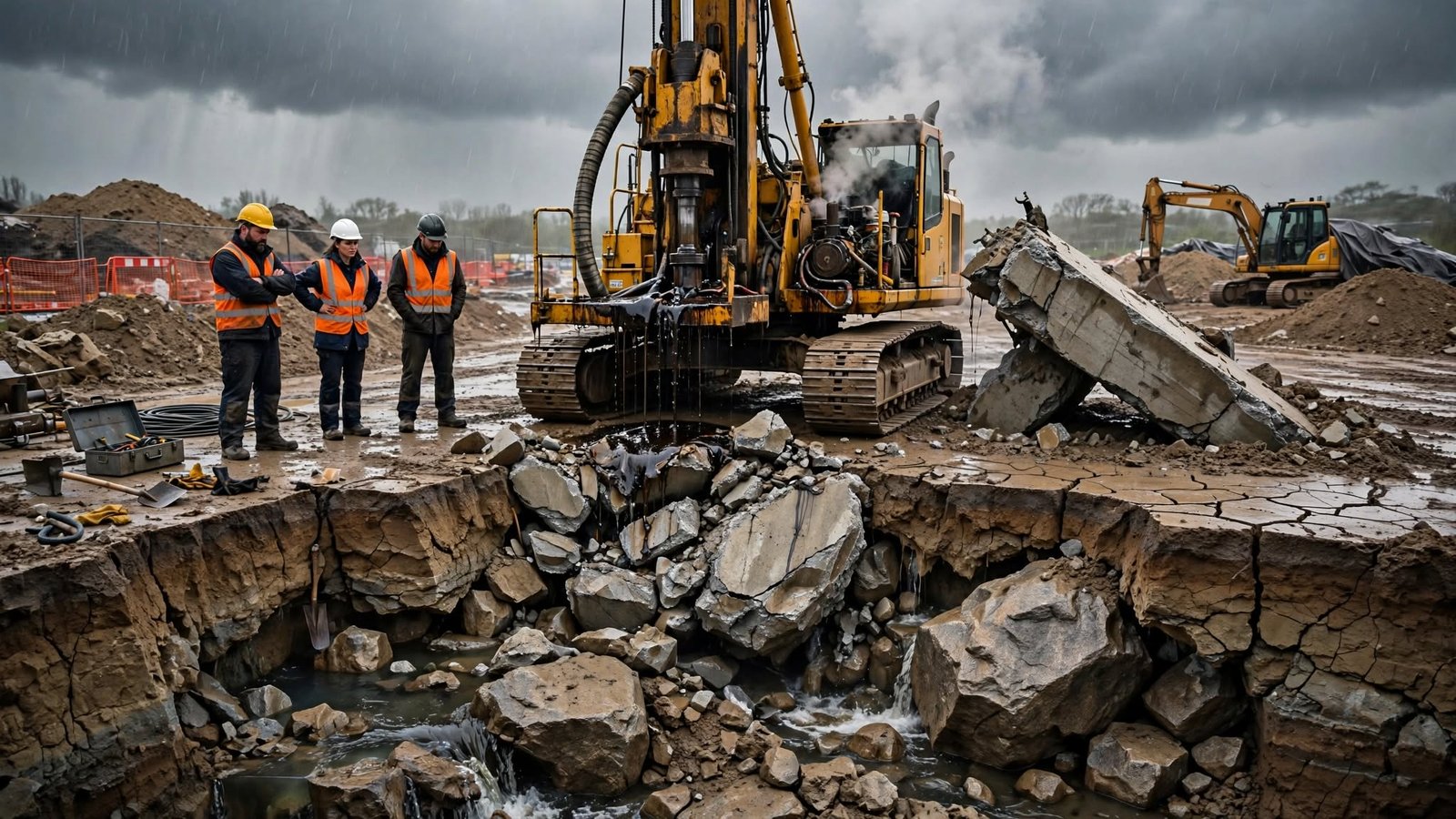
Pile Driving Delays occur when unexpected soil appears. A layer of dense clay. A pocket of loose sand. A buried obstruction. The hammer cannot penetrate. The pile refuses. Work stops.
The contractor must investigate. The engineer must redesign. The equipment must be changed. Each step takes time. Pile Driving Delays accumulate quickly.
Soft soil causes different problems. The pile sinks too far. It loses capacity. It must be extracted and replaced. Pile Driving Delays follow.
Rock layers cause the worst delays. The hammer cannot break through. Pre-drilling is required. The drilling equipment must be mobilized. The schedule slips by weeks.
Proper site investigation reduces Pile Driving Delays. More boreholes. Deeper testing. Geophysical surveys. The cost is justified. The delays prevented are far more expensive.
Equipment Breakdowns at Critical Moments
Pile Driving Delays often start with a breakdown. The hammer fails. The hose bursts. The power pack overheats. The machine stops. The crew waits. When components on the jaw crusher or related machines fail, momentum crashes.
Breakdowns happen at the worst times. The critical pile. The tight deadline. The day before inspection. Pile Driving Delays from breakdowns are frustrating because they are preventable.
Maintenance prevents breakdowns. Daily inspections catch problems. Scheduled service replaces worn parts. Pile Driving Delays decrease when maintenance is prioritized.
Spare parts prevent extended delays. A spare hose on site saves hours. A spare hammer saves days. Contractors who stock critical spares avoid Pile Driving Delays.
Backup equipment provides insurance. A second hammer on standby. A second power pack in the yard. Pile Driving Delays end when backup is available.
Skilled Labor Shortages
Pile Driving Delays occur when skilled workers are unavailable. The operator calls in sick. The spotter takes another job. The crane operator is assigned elsewhere. The crew is incomplete.
Pile driving requires specific skills. Not every operator can run every machine. Not every worker can handle every task. Pile Driving Delays follow when replacements are unqualified.
Training programs build depth. Cross-training creates flexibility. Multiple operators qualified on each machine. Pile Driving Delays decrease when redundancy exists.
Retention programs keep skilled workers. Competitive pay. Good conditions. Respect. Pile Driving Delays decrease when crews stay together.
Labor shortages affect entire industries. Contractors compete for the same workers. Pile Driving Delays increase when labor markets tighten. Planning for shortages prevents disruption.
Permit and Regulatory Delays
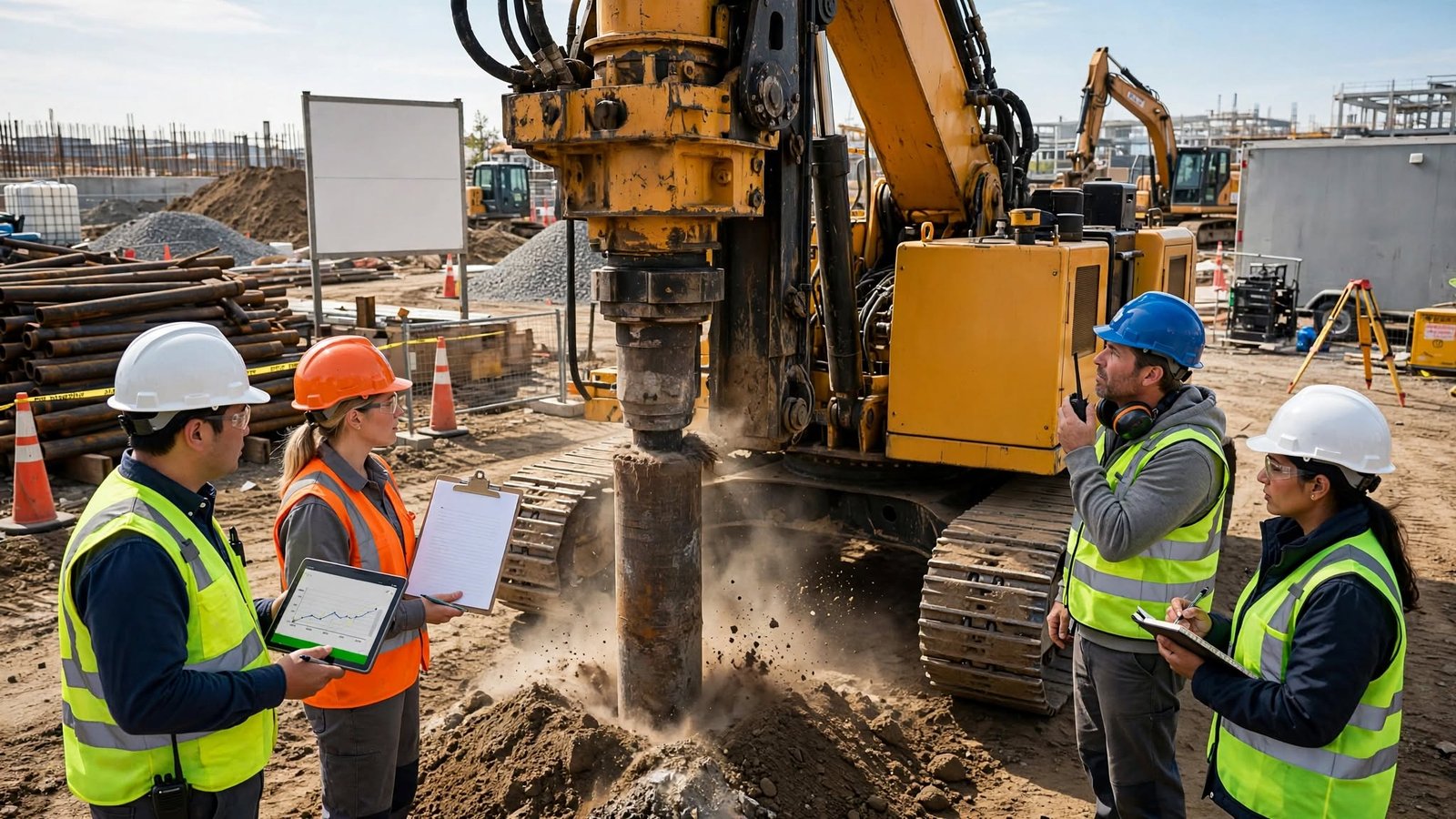
Pile Driving Delays often originate in offices. Permits take time. Approvals require reviews. Inspections must be scheduled. The paperwork delays the work. Incorporating brilliant strategies beforehand helps avoid office-induced timeline issues.
Environmental permits are the worst. Noise studies. Vibration assessments. Wildlife surveys. Each study takes weeks. Each approval takes longer. Pile Driving Delays accumulate during the process.
Regulatory changes cause unexpected delays. New rules. New requirements. New inspections. Pile Driving Delays follow when contractors are unprepared.
Inspection scheduling creates bottlenecks. The inspector is busy. The inspection is postponed. The work cannot proceed. project setbacks result from scheduling conflicts.
Proper planning prevents permit delays. Applications submitted early. Studies completed in advance. Inspections scheduled ahead. project setbacks decrease when paperwork is managed.
Material Delivery Problems
project setbacks occur when piles are not on site. The truck is late. The supplier is behind. The order is wrong. The crew waits.
Pile delivery requires coordination. The manufacturer must produce. The truck must deliver. The site must receive. project setbacks happen when any link fails.
Custom piles take longer. Special lengths. Special coatings. Special reinforcement. project setbacks increase when specifications are unusual.
Delivery scheduling is critical. Just-in-time delivery saves space. But it risks delays. Buffer stock prevents project setbacks but costs money. The balance must be managed.
Supplier reliability matters. Some suppliers deliver on time. Others do not. Contractors who track performance avoid project setbacks.
Site Access and Logistics Issues
project setbacks happen when the machine cannot reach the pile. The ground is too soft. The slope is too steep. The overhead wires block the way.
Access planning is essential. The crane must reach every pile. The delivery trucks must enter and exit. The crew must move safely. project setbacks result when access is inadequate.
Ground conditions affect access. Soft ground requires mats. Steep slopes require grading. project setbacks increase when access preparation is skipped.
Overhead obstructions cause delays. Power lines. Trees. Bridges. The machine cannot pass. project setbacks follow when obstructions are not identified.
Logistics coordination prevents delays. Traffic management. Delivery scheduling. Crew movement. project setbacks decrease when logistics are planned.
Weather and Environmental Factors
project setbacks often come from the sky. Rain. Wind. Snow. Heat. Each condition affects pile driving differently.
Rain softens the ground. The machine sinks. Access is lost. project setbacks follow heavy rain.
Wind affects the crane. Lifting is restricted. Pile positioning is difficult. project setbacks occur when wind speeds exceed limits.
Extreme heat affects workers. Breaks are longer. Production slows. project setbacks result from heat stress.
Environmental restrictions limit work hours. Noise curfews. Vibration limits. Seasonal restrictions. project setbacks increase when these rules are ignored or misunderstood.
Weather planning reduces delays. Buffer days in the schedule. Flexible work hours. Alternative methods. project setbacks decrease when weather is anticipated.
7 Hidden Causes Summary
- 1. Underestimated soil conditions.
- 2. Equipment breakdowns at critical moments.
- 3. Skilled labor shortages.
- 4. Permit and regulatory delays.
- 5. Material delivery problems.
- 6. Site access and logistics issues.
- 7. Weather and environmental factors.
The Cost of Pile Driving Delays
project setbacks cost money. Equipment rental continues. Labor costs continue. Overhead continues. Revenue stops. Profit disappears.
A one-week delay on a medium project costs tens of thousands. A one-month delay costs hundreds of thousands. project setbacks can bankrupt contractors.
The cost extends beyond money. Client relationships suffer. Reputation suffers. Future work disappears. project setbacks damage everything.
Prevention is cheaper than recovery. Planning. Maintenance. Training. Coordination. Each investment prevents project setbacks. Each prevention saves money.
Prevention Strategies
Avoiding project setbacks requires preparation. Every hidden cause has a solution. Every solution requires effort.
Thorough site investigation prevents soil surprises. More testing. Better analysis. project setbacks decrease when ground conditions are understood.
Preventive maintenance prevents breakdowns. Daily checks. Scheduled service. Spare parts. project setbacks decrease when equipment is reliable.
Workforce planning prevents labor shortages. Training. Retention. Cross-training. project setbacks decrease when crews are stable.
Permit planning prevents regulatory delays. Early applications. Advance studies. Scheduled inspections. project setbacks decrease when paperwork is managed.
Material planning prevents delivery problems. Early orders. Reliable suppliers. Buffer stock. project setbacks decrease when supplies are secured.
Access planning prevents logistics issues. Site surveys. Ground improvement. Obstruction removal. project setbacks decrease when access is prepared.
Weather planning prevents environmental delays. Buffer days. Flexible schedules. Alternative methods. project setbacks decrease when conditions are anticipated.
Final Word
project setbacks destroy project timelines. They come from hidden sources. They catch contractors unprepared. They cost money and reputation.
The hidden causes are identifiable. Soil conditions. Equipment breakdowns. Labor shortages. Permit problems. Material delays. Access issues. Weather factors. Each one is manageable.
Prevention requires planning. Thorough investigation. Preventive maintenance. Workforce stability. Regulatory preparation. Material security. Access readiness. Weather awareness.
Contractors who prevent project setbacks succeed. They finish on time. They stay within budget. They build reputations. They win future work.
Contractors who ignore the hidden causes fail. They miss deadlines. They lose money. They damage relationships. They lose business.
The choice is clear. Identify the hidden causes. Prevent project setbacks. Build success.