

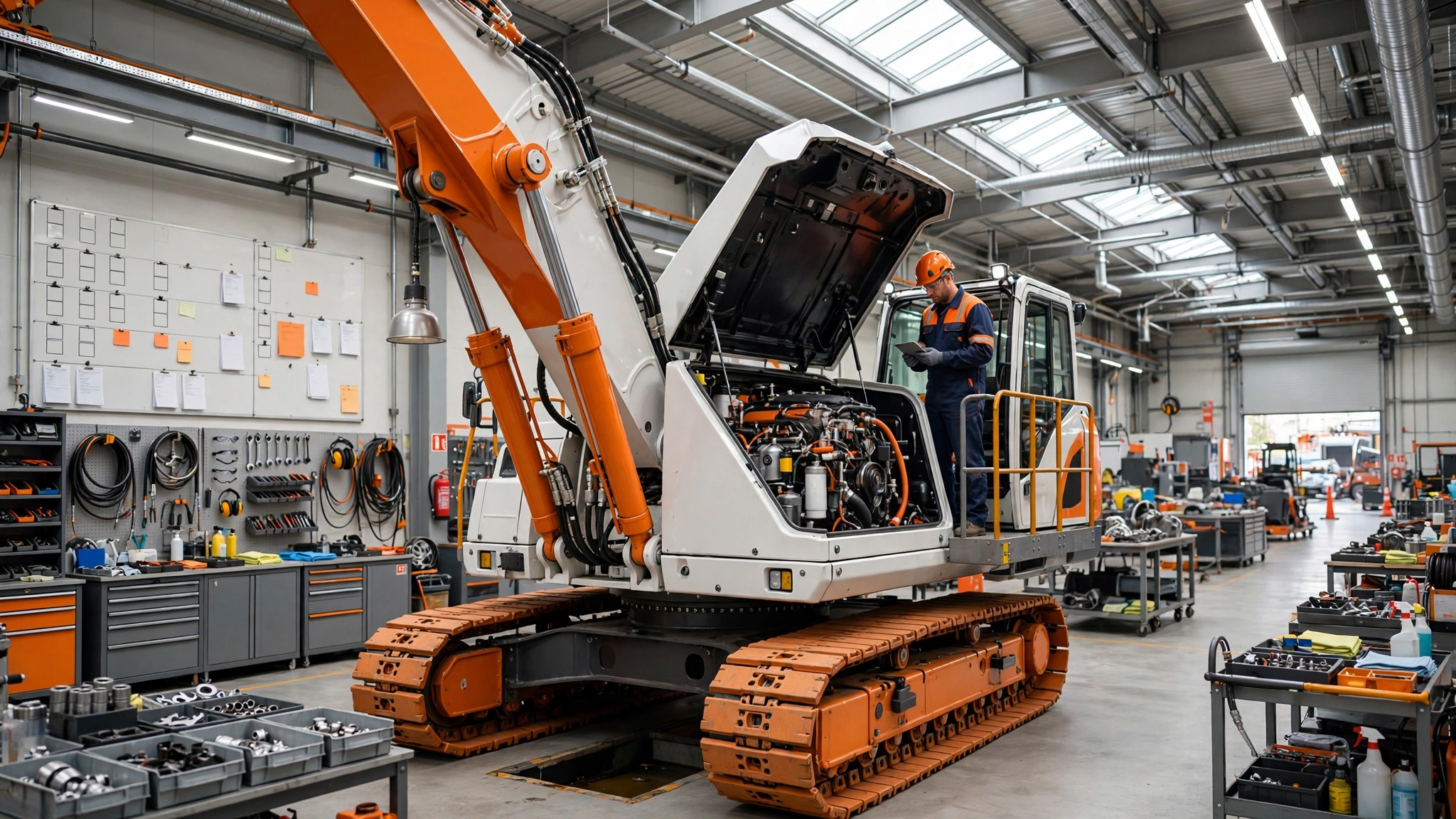
Pile Driver Maintenance: 10 Essential Tips to Extend Machine Life

Table of Contents
- Why Maintenance Matters
- 1. Daily Greasing
- 2. Hydraulic Fluid Levels
- 3. Inspect Hoses & Fittings
- 4. Hydraulic Filters
- 5. Lubricate the Leader
- 6. Tighten Bolts
- 7. Operating Temperature
- 8. Keep the Machine Clean
- 9. Service Intervals
- 10. Maintenance Logs
- Bonus: Train Your Operators
- A Real-World Example
- Checklist
- Final Word
Why Pile Driver Maintenance Matters More Than You Think
Let me tell you something straight — most pile driver breakdowns are completely avoidable. I’ve seen it happen again and again. A machine stops working in the middle of a job. Crew stands around doing nothing. Client gets angry. Money burns.
And for what? Because someone skipped a grease point. Because a filter wasn’t changed. Because nobody bothered to check the hydraulic fluid.
A pile driver is not a small investment. We’re talking hundreds of thousands of dollars. Maybe more. And yet, I see operators treat these machines like they’re indestructible. They’re not. For heavy equipment, like when you run a Typhon Stomp V900 Mini Track Loader (External Link 1), proper care is critical.
Good Pile Driver Maintenance is the difference between a machine that runs for 20 years and one that dies in 5. Between finishing projects on time and missing every deadline. Between profit and loss.
So here are 10 essential Pile Driver Maintenance tips that will extend your machine’s life. I’ve learned these the hard way — through mistakes, breakdowns, and expensive repair bills. Learn from my experience.
1. Daily Greasing Is Non-Negotiable
This is the most basic Pile Driver Maintenance task, and yet it’s the one most often ignored.
Every single morning, before you start hammering, grease every fitting on your pile driver. Every single one. Not some of them. All of them.
Why? Because a pile driver vibrates like crazy. Thousands of strikes per hour. All that movement creates friction. Friction creates heat. Heat destroys bearings, pins, and bushings.
I once worked with a crew that greased their pile driver only once a week. Within three months, they’d burned through two sets of bushings. Cost them $8,000 in parts and three days of downtime. Three days of no work, no revenue, and an angry project manager.
Now they grease every morning. No exceptions. Their pile driver runs smoother, quieter, and longer.
Make a checklist. Assign one person to do it. Check that it’s done before the machine starts working. This one Pile Driver Maintenance habit alone will save you thousands.
2. Check Hydraulic Fluid Levels Daily
Your pile driver runs on hydraulic power. No fluid, no force. Simple as that.
But here’s the thing — hydraulic systems are sensitive. Too little fluid and your pile driver loses power. Too much and you get foaming and overheating. Both are bad.
Every morning, check the sight glass or dipstick on your pile driver. Top up if needed. But don’t just pour in any random oil. Use the manufacturer-recommended hydraulic fluid. Always.
I’ve seen guys use cheap hydraulic fluid to save a few bucks. Then their pile driver started whining, losing pressure, and running hot. The repair bill was 20 times what they saved on fluid.
Also, look at the fluid color. If it’s milky or dark, you’ve got contamination. That means water or metal particles in your pile driver hydraulic system. That’s an emergency. Stop work. Drain and refill. Find the source of contamination before you destroy your pump. Regular Pile Driver Maintenance includes fluid checks. Don’t skip them.
3. Inspect Hoses and Fittings Weekly
Hydraulic hoses on a pile driver take a beating. They flex, they vibrate, they get hit by debris. And when a hose blows, your pile driver stops dead.
I’m not exaggerating. A burst hose means no pressure. No pressure means no hammer. No hammer means no work.
Every week, do a visual inspection of every hose and fitting on your pile driver. Look for:
- Cracks or cuts in the rubber
- Bulges or soft spots
- Leaking fittings
- Abrasion from rubbing against other parts
Replace any hose that looks questionable. Don’t wait until it bursts. A new hose costs maybe $200. A burst hose can cost you a day of work — easily $2,000 or more in lost productivity. You can also view more insights into tracking equipment issues by checking a maintenance Service Edit Page (Internal Link 1).
Also, make sure hoses are routed properly. They shouldn’t rub against sharp edges or pinch when the pile driver moves. Use protective sleeves where needed. This Pile Driver Maintenance step saves you from sudden breakdowns.
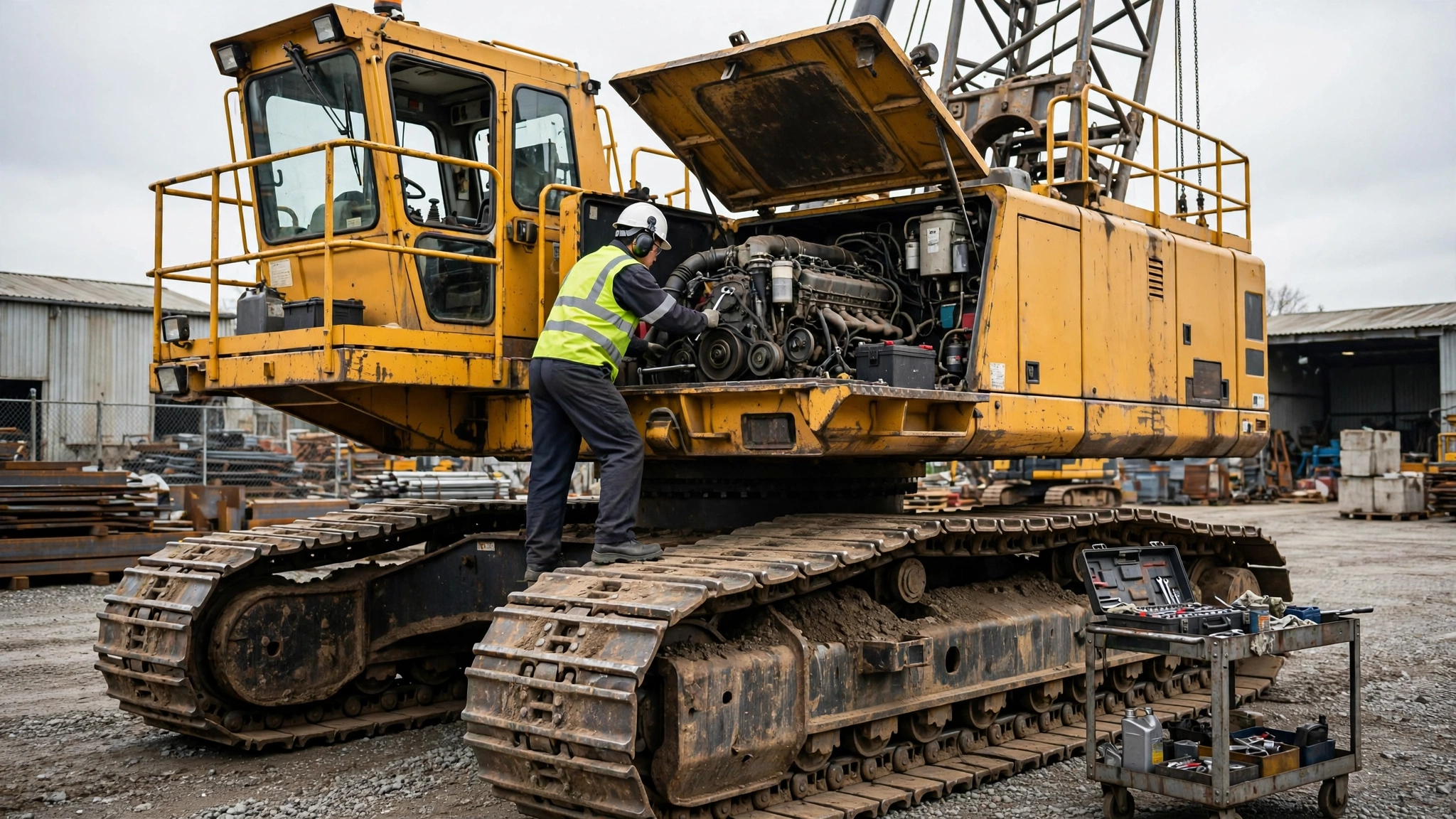
4. Change Hydraulic Filters on Schedule
This is one of the most overlooked Pile Driver Maintenance tasks. And it’s one of the most important.
Hydraulic filters trap contaminants — metal particles, dirt, water, sludge. Over time, they clog. A clogged filter restricts flow. Your pile driver loses power and runs hot. Worse, dirty fluid bypasses the filter and starts wearing out your pump, valves, and cylinders.
Change your hydraulic filters at the intervals specified in your pile driver manual. Not when you remember. Not when someone says “it looks fine.” On schedule.
I worked on a project where the operator hadn’t changed the filter in 18 months. The pile driver was sluggish. The pump was whining. We changed the filter and the difference was night and day. The pile driver came back to life.
Filters are cheap. Pumps are expensive. This Pile Driver Maintenance task pays for itself many times over.
5. Lubricate the Leader and Slide Rails
The leader is the vertical guide that your pile driver travels on. It takes enormous stress during operation.
If the leader rails are dry, your pile driver won’t slide smoothly. It’ll stick, jerk, and wear unevenly. Over time, the slide pads and rails get damaged. Then you’re looking at expensive repairs or even a new leader assembly.
Apply a quality lubricant to the leader rails every day. Some operators use grease. Some use specialized rail lubricants. Whatever your pile driver manual recommends, use that.
Also, check the slide pads for wear. If they’re worn down, replace them. Worn pads cause metal-to-metal contact between your pile driver and the leader. That’s bad. Really bad.
I’ve seen leaders ruined in less than 6 months because nobody lubricated them. A new leader costs tens of thousands. Daily lubrication costs maybe 10 minutes and a few dollars. Do the math. Good Pile Driver Maintenance means paying attention to every moving part.
6. Tighten All Bolts and Fasteners Regularly
Here’s something that surprises a lot of people — bolts on a pile driver come loose. All the time. The constant vibration works them out.
Every week, go over your entire pile driver with a torque wrench. Check every bolt, nut, and fastener. Especially the ones on the hammer, the base, the leader, and any mounting points.
I remember a job where the hammer base plate bolts came loose. Nobody checked them. The hammer shifted during operation and sheared off two bolts. The machine was down for 5 days while we waited for replacement parts.
Don’t just tighten things by feel. Use a torque wrench. Tighten to manufacturer specifications. Too loose and things fall apart. Too tight and you strip threads or stress the metal. Mark bolts with a paint pen after you’ve torqued them. That way you can quickly see if any have moved. This simple Pile Driver Maintenance habit prevents major failures.
7. Monitor Operating Temperature
Heat is the enemy of any pile driver. The hydraulic system, engine, and hammer all generate heat. Too much heat and you’re looking at accelerated wear, fluid breakdown, and seal failure.
Every operator should know the normal operating temperature range for their pile driver. Usually it’s between 160°F and 180°F for hydraulic systems. If your pile driver runs hotter than that, you’ve got a problem.
Why is it running hot? Maybe the cooler fins are clogged with dirt. Maybe the hydraulic fluid level is low. Maybe the system is bypassing relief valves. Whatever the cause, address it immediately.
I’ve seen pile driver hydraulic pumps fail in a single day because nobody noticed the temperature rising. By the time the alarm sounded, the damage was done. Install a temperature gauge if your pile driver doesn’t have one. Check it regularly during operation. If the temperature climbs, stop and investigate. This Pile Driver Maintenance habit saves components.
8. Keep the Machine Clean
This sounds simple, but it matters more than you think. A clean pile driver is a happy pile driver.
Dirt and debris accumulate on the machine. They trap moisture. They block cooling fins. They make inspections harder. And they contribute to corrosion.
Every day after work, give your pile driver a quick washdown. Focus on:
- Radiator and hydraulic cooler fins
- The hammer assembly
- The leader and slide area
- Hose bundles and connectors
Don’t blast water directly into electrical components or breather caps. Use common sense. A pressure washer can force water into places it doesn’t belong.
Clean pile driver machines are easier to inspect. You spot leaks faster. You catch loose bolts sooner. You notice wear patterns before they become failures. Plus, a clean pile driver just looks more professional. Clients notice. Your crew takes pride in it. It’s good for morale and good for the machine. Regular Pile Driver Maintenance includes keeping it clean.
9. Follow Manufacturer Service Intervals
Every pile driver comes with a service manual. That manual exists for a reason. Manufacturers spend millions testing their machines. They know exactly when parts need service. They know how often fluids should be changed. They know the lifespan of wear components.
And yet, operators ignore these intervals all the time. “It’s running fine, why change the oil now?” Or “We’ll do the service next month when the project finishes.”
I’ve seen pile drivers fail at 80% of their expected component life because owners refused to follow the service schedule. They thought they were saving money. They weren’t. They were delaying the inevitable and making the bill bigger.
Do the scheduled service. On time. Every time. That means oil changes, filter changes, fluid analysis, and component inspections. Keep service records. They help you plan for future Pile Driver Maintenance. They also help resale value. A pile driver with complete maintenance records sells for much more.
10. Keep Detailed Maintenance Logs
This is the one Pile Driver Maintenance tip most people skip. And it’s the one that could save you the most money.
Keep a notebook, a spreadsheet, or use a phone app. Record every service, every repair, and every inspection on your pile driver. Include dates, hours, and any notes about unusual symptoms. For an example of how digital tracking works, look at this Internal Logging Page (Internal Link 2).
When something breaks, your logs help you diagnose the root cause. Did that hose fail because it was old? Or because it was damaged by a debris strike months ago?
When you’re troubleshooting, having a full history of your pile driver is invaluable. It tells you what’s been done, what’s been replaced, and what’s original.
I had a job where the pile driver lost power. We spent a day checking everything. Finally, we looked at the logs and realized the pilot valve had never been rebuilt in 5 years. A $200 rebuild kit solved the problem. Without logs, we’d have spent another day or two guessing. Also, good logs are essential if you ever want to sell your pile driver. A buyer will pay a premium for a well-documented machine.
Bonus: Train Your Operators
I’m adding this as a bonus because it’s that important. Your Pile Driver Maintenance program is only as good as the people doing it. If your operators don’t know how to grease properly, don’t know what to look for during inspections, and don’t care about cleanliness, your pile driver will suffer.
Train your operators. Not once, but regularly. Show them how to do proper Pile Driver Maintenance. Explain why each task matters. Give them ownership of the machine.
I’ve seen one experienced operator extend a pile driver’s life by years just by doing things right. And I’ve seen green operators destroy a machine in months because nobody taught them.
Invest in training. It pays back in machine reliability, safety, and productivity. Just like operating a sophisticated piece of gear like the Typhon Stomp V900 (External Link 2), knowledge is everything.
A Real-World Example
Let me give you a concrete example of how proper Pile Driver Maintenance paid off.
There were two contractors working on the same site. Both had identical pile drivers. Same make, same model, same age.
Contractor A followed a strict Pile Driver Maintenance schedule. Daily greasing. Weekly inspections. Monthly filter changes. Full service every 500 hours.
Contractor B was more relaxed. They greased when they remembered. Changed filters occasionally. Never did scheduled services.
After 18 months:
- Contractor A’s pile driver was running like new. Zero breakdowns. No major repairs.
- Contractor B’s pile driver had a blown pump, worn bushings, and multiple hose failures. They’d spent $25,000 on repairs and lost 12 workdays.
Which contractor was more profitable? Not even close. Proper Pile Driver Maintenance isn’t an expense. It’s an investment. And it pays back in spades.
Checklist for Your Pile Driver Maintenance Program
Here’s a simple checklist to follow:
- Daily: Grease all fittings, Check hydraulic fluid level, Inspect hoses and connections visually, Lubricate leader rails, Clean cooling fins, Start machine and listen for unusual noises.
- Weekly: Inspect all hoses thoroughly, Check and tighten all bolts, Check slide pad wear, Test all functions at full operating speed, Record hours and any issues.
- Monthly: Change hydraulic filters (per schedule), Inspect mechanical hammer parts, Test hydraulic pressures, Check engine oil and coolant, Complete full visual inspection under and over.
- Annually or Per Hour Schedule: Full hydraulic oil change, Engine service, Hydraulic system pressure test, Inspect and test all safety devices, Complete system flush if required.
Final Word
Your pile driver is your money-maker. Treat it like one. These 10 Pile Driver Maintenance tips are not complicated. They’re not expensive. They just require consistency and discipline.
Grease it. Check fluids. Inspect hoses. Change filters. Tighten bolts. Clean it. Follow the manual. Keep logs. Train your crew.
Do all that, and your pile driver will give you years of reliable service. Skip it, and you’ll be spending your profits on repairs and downtime.
I’ve seen it both ways. Trust me — the first path is a lot more profitable. Take care of your pile driver through proper Pile Driver Maintenance. It’ll take care of you.